

Discover centuries-old tea experiences where culture, calm and conversation come together, spanning from Japanese tea houses to Sri Lankan plantations.
Across Asia, tea is far more than a drink. It serves as a ritual of welcome, a symbol of hospitality, and a meaningful connection between people and place. From the quiet elegance of Japanese tea houses to the mist-covered plantations of Sri Lanka, these traditions invite travellers to slow down, observe ancient customs, and experience the cultures that have shaped them for generations.
A Journey Through Asia’s Living Tea Traditions
For many travellers, tea is part of a daily routine. Yet across Asia, every cup tells a deeper story — one woven with mindfulness, craftsmanship, and centuries of tradition. A traditional tea experience is not simply about tasting tea; it is an opportunity to embrace a slower rhythm, witness time-honoured rituals, and connect with local communities in an authentic and meaningful way.
For Canadian travellers seeking enriching experiences with comfort and thoughtful pacing, tea traditions offer a beautiful balance of cultural discovery and moments of calm. Whether sharing conversation in a historic tea house or walking among the landscapes where tea leaves are cultivated, these encounters reveal the stories, people, and traditions behind every cup.
Why Tea Culture Is So Important in Asia
Tea has been part of Asian life for centuries. It is often tied to:
- Hospitality and welcoming guests
- Mindfulness and calm reflection
- Seasonal traditions and ceremonies
- Regional identity and local agriculture
Unlike fast-paced sightseeing, tea experiences invite visitors to slow down. This makes them especially well-suited to travellers who prefer structured, comfortable, and unhurried cultural moments.
Japan: The Art of the Tea Ceremony
Japan is one of the most well-known places in the world for traditional tea ceremonies.
The Japanese tea ceremony is a thoughtfully prepared ritual rooted in harmony, respect, and mindfulness. While styles vary, each experience follows a quiet rhythm of precise movements and calm reflection. Guests learn about different teas, traditional tools, and the meaning behind each gesture—offering a deeper connection to Japanese culture. This immersive experience is included as part of our Japan journey.
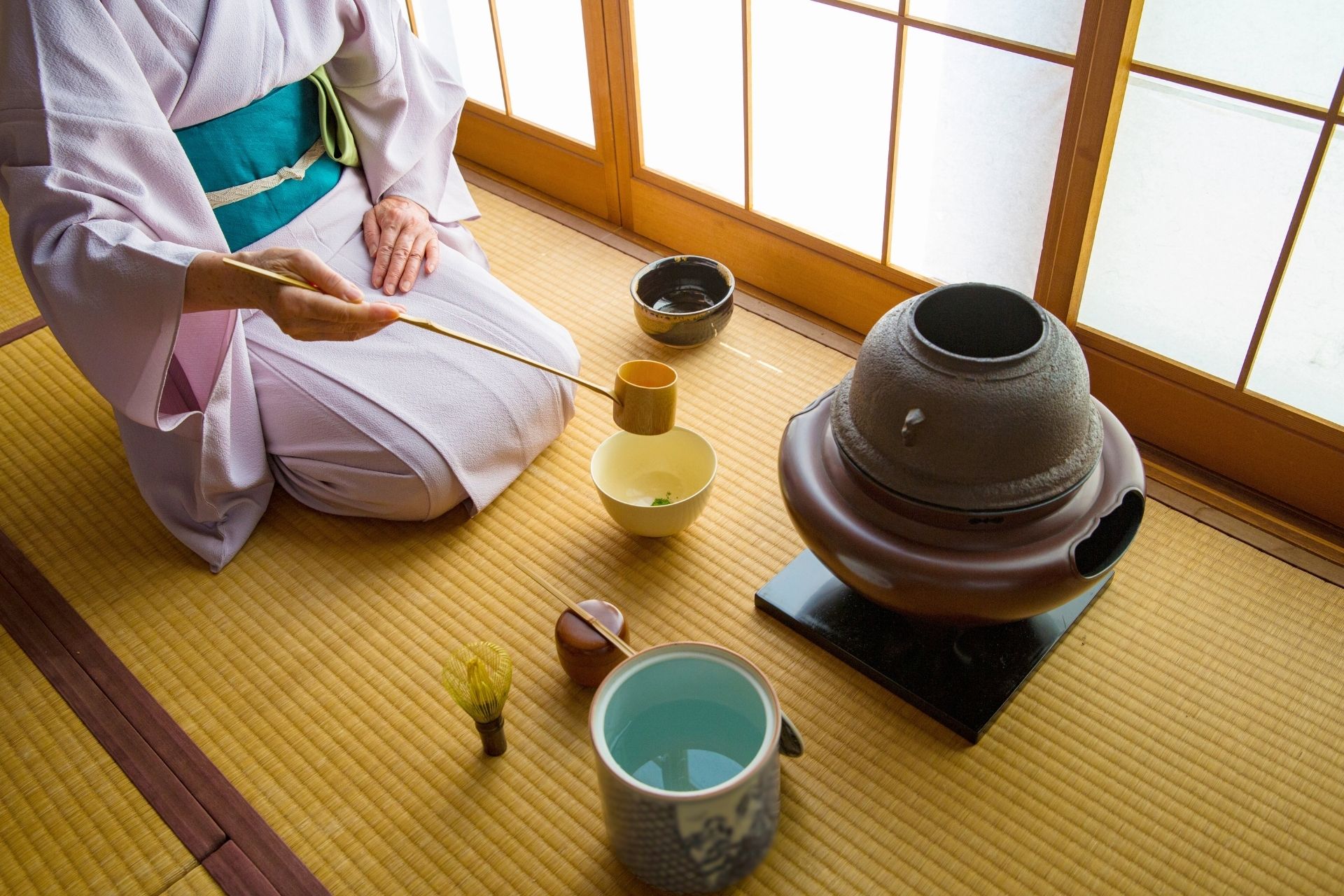
Sado - Traditional Japanese Tea Ceremony
What travellers can expect
- A guided demonstration of the tea preparation process
- A quiet, seated experience in a traditional room or tea house
- Matcha tea served with seasonal sweets
- An emphasis on respect, simplicity, and presence
For many visitors, the experience feels like a pause in time—an opportunity to step away from busy travel schedules and simply observe.
China: Ancient Tea Traditions and Regional Flavours
China has one of the oldest tea cultures in the world, with traditions that vary widely between regions.
Tea experiences here often focus on tasting and education. Travellers may be introduced to different tea types such as green, oolong, and pu-erh, each prepared with its own method and meaning.
Common experiences include:
- Guided tea tastings in traditional tea houses
- Learning about regional tea-growing areas
- Demonstrations of brewing techniques
- Cultural explanations of tea’s role in daily life
Recognizing the cultural importance of tea, UNESCO inscribed China’s traditional tea processing techniques and associated social practices as Intangible Cultural Heritage, reflecting centuries of knowledge, craftsmanship, hospitality, and community traditions passed down through generations.
These experiences are typically relaxed and conversational, making them accessible for travellers who prefer gentle learning over structured performance.
Taiwan: Mountain Tea and Modern Tea Houses
Taiwan offers a blend of traditional tea culture and modern presentation.
Many of the island’s most prized teas are grown in high mountain regions, where cooler climates create distinctive flavours. Tea houses often combine traditional brewing methods with contemporary comfort.
What makes Taiwan unique:
- Scenic tea-growing regions with mountain views
- Informal but knowledgeable tea tastings
- A mix of traditional and modern tea presentation
- Friendly, relaxed atmosphere for visitors
This balance makes Taiwan especially appealing for travellers who enjoy cultural depth without formality.
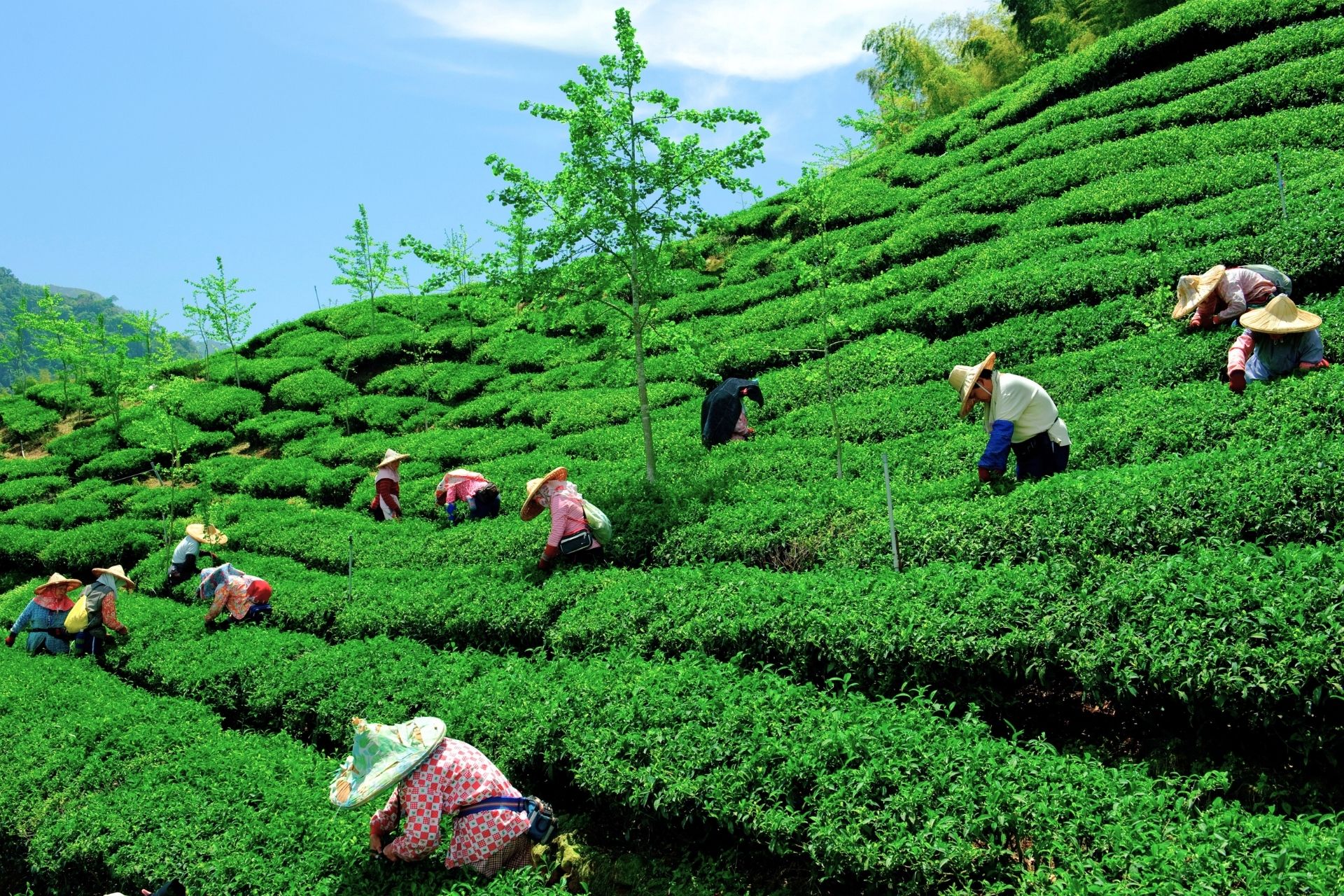
Nantou - Tea Garden in Taiwan
Sri Lanka: Tea Plantations and Scenic Landscapes
In Sri Lanka, tea experiences are deeply connected to the landscape itself. The hill country is famous for its rolling green plantations, where tea is still carefully picked and processed using time-honoured techniques. Visitors often experience tea culture through estate visits rather than ceremonial tastings.
Typical highlights:
- Guided walks through tea plantations
- Visits to tea factories to see processing methods
- Scenic viewpoints across hillside landscapes
- Freshly brewed Ceylon tea tastings
This style of experience blends cultural insight with breathtaking scenery, making it a natural fit for slow-paced, guided travel. Along the way, we’ve had the pleasure of witnessing the journey from leaf to cup during our time in Sri Lanka—an enriching, hands-on experience not to be missed. If this speaks to you, tours [at] craigtravel.com (subject: Keep%20me%20updated%20on%20upcoming%20Sri%20Lanka%20journeys) (connect with us) to be the first to hear about our next Sri Lanka journey and take part in this unforgettable Ceylon tea experience.
Why Tea Experiences Appeal to Mature Travellers
Traditional tea experiences are especially well suited to seniors because they are:
- Low physical demands – mostly seated or gentle walking
- Structured and guided – clear explanations and support
- Culturally rich but unhurried – no fast-paced schedules
- Comfort-focused – often indoors or in calm environments
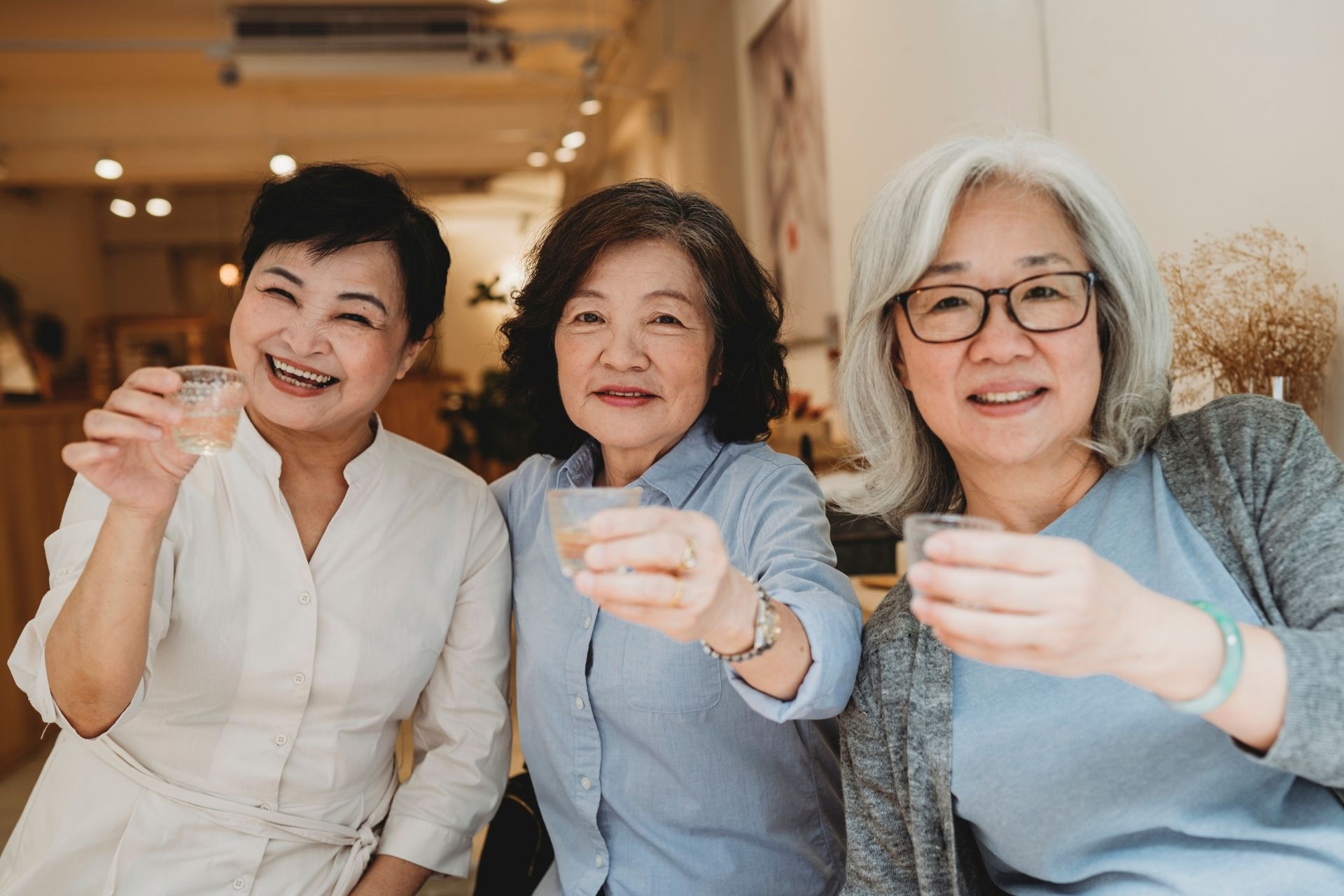
Savouring culture, comfort, and connection—One cup at a time!
They also provide meaningful moments of connection without requiring strenuous activity or long travel transitions.
How Tea Culture Fits Into Guided Asia Travel
For travellers booking escorted tours, tea experiences are often included as part of broader cultural itineraries. They may be paired with:
- City sightseeing days
- Temple or historical site visits
- Local markets and artisan demonstrations
- Scenic countryside excursions
This creates a balanced travel rhythm—active exploration paired with calm, reflective cultural stops.
Travel Tips for Enjoying Tea Experiences in Asia
- Choose guided tours that include cultural interpretation
- Let your tour leader explain etiquette and customs
- Wear comfortable clothing suitable for seated experiences
- Bring curiosity rather than expectations—each region is different
- Allow time between activities to enjoy the slower pace
FAQ
Are tea ceremonies in Asia formal or casual?
It depends on the country. Japan is more formal and ritual-based, while China and Taiwan often offer more conversational tasting experiences. For more insight, explore how Japan’s tourism authorities describe tea ceremony as an expression of hospitality and discover more about China’s Jingshan tea traditions.
Do I need to understand tea culture beforehand?
Experiences are typically guided and explained step-by-step.
Are tea experiences suitable for older travellers?
Yes. They are generally low-impact, seated, and designed for comfort.
Can tea experiences be part of a larger tour?
Yes. They are often included in cultural guided tours across Asia.
Feeling Inspired?
Explore our Japan journey and discover how you can experience a Japanese tea ceremony with Craig Travel.
Don't see the journey you're looking for on our website? It may be in development or available through one of our travel partners. Contact our team for the latest information.
📩 Email a tours [at] craigtravel.com (subject: The%20Art%20of%20Tea%20in%20Asia%20Blog) (Tour Specialist) or call 📞 1-800-387-8890